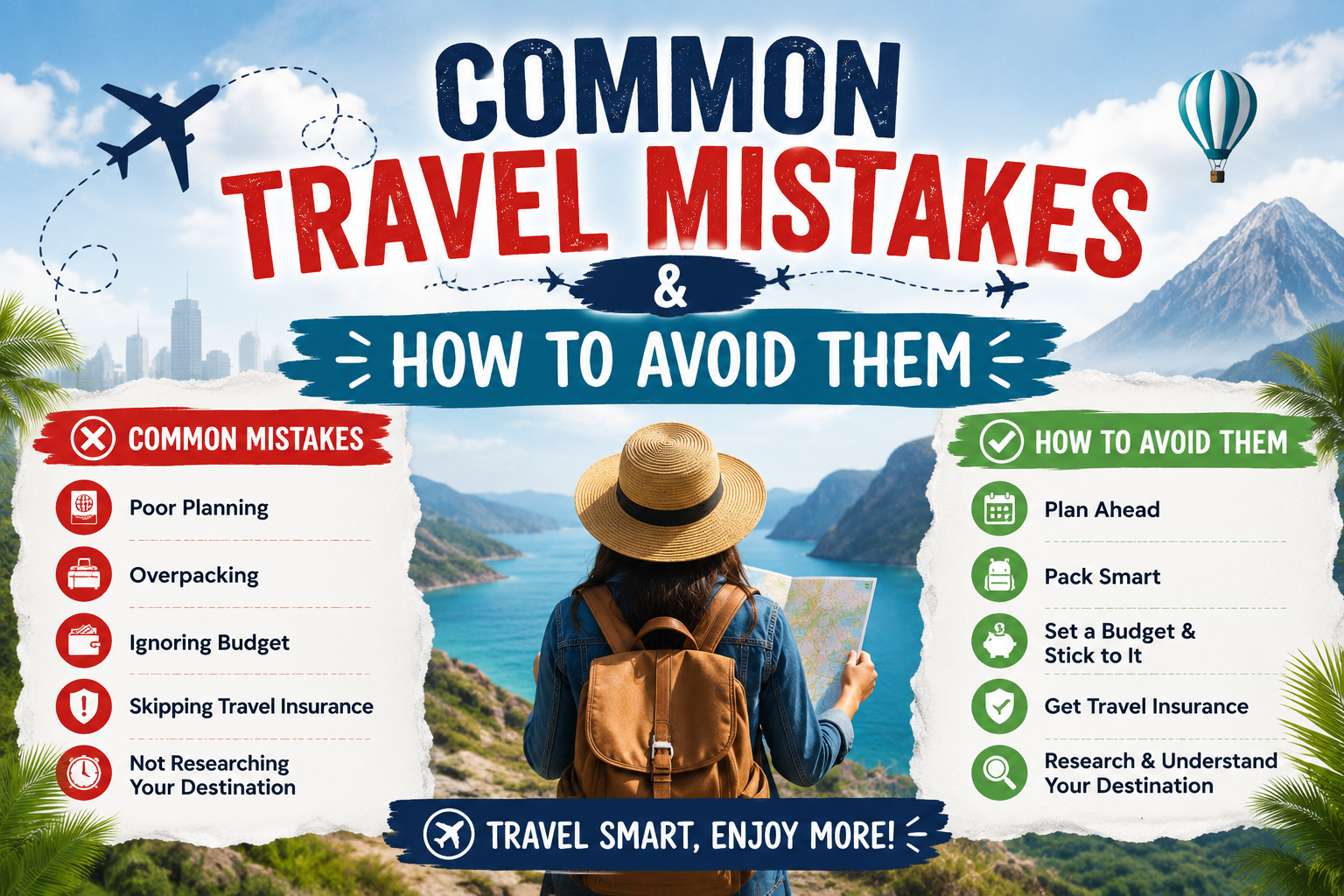
Traveling can be one of life’s most exciting experiences. Whether you’re planning a relaxing beach vacation, a business trip, or an international adventure, proper preparation can make a huge difference. Unfortunately, many travelers make common mistakes that can lead to unnecessary stress, delays, or extra expenses.
Understanding these mistakes and learning how to avoid them will help you enjoy a smoother and more memorable trip. In this guide, we’ll explore 10 common travel mistakes and practical tips to avoid them, so you can travel smarter and stress-free.
-
Waiting Until the Last Minute to Plan
One of the biggest travel mistakes is leaving everything until the last minute. Many travelers delay booking flights, accommodations, or transportation, thinking they will find better deals later. However, this often leads to higher prices and limited options.
How to Avoid It
Start planning your trip at least 1–3 months in advance for domestic travel and 3–6 months for international trips. Early planning allows you to:
- Compare flight prices
- Choose better accommodations
- Secure travel insurance
- Prepare necessary documents
Planning ahead also gives you time to create a realistic itinerary.
-
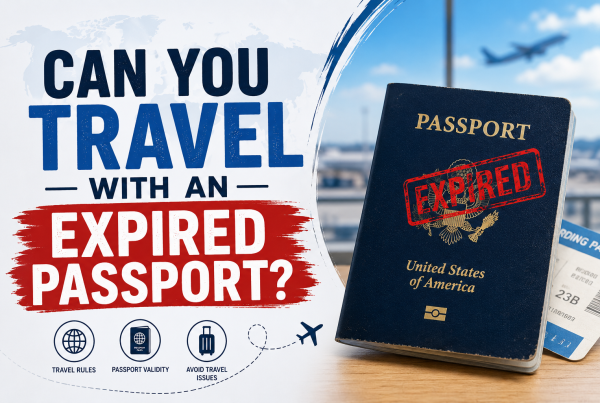
Not Checking Passport Validity
Many travelers assume their passport is valid simply because it hasn’t expired yet. However, several countries require passports to be valid for at least six months beyond your travel date.
Failing to check this can lead to denied boarding or entry issues at immigration.
How to Avoid It
Before booking your trip, check your passport’s expiration date. If your passport is close to expiring, renew it well in advance to avoid travel disruptions.
-
Overpacking
Overpacking is a common mistake that can make travel uncomfortable and inconvenient. Carrying too many clothes, shoes, and accessories can make moving through airports, train stations, or hotels more difficult.
Heavy luggage may also result in extra baggage fees.
How to Avoid It
Follow these smart packing tips:
- Pack versatile clothing that can be mixed and matched
- Stick to essentials
- Use packing cubes for organization
- Check the weather forecast before packing
A good rule of thumb is to pack half the clothes and twice the money you think you need.
-
Ignoring Travel Insurance
Many travelers skip travel insurance to save money. However, unexpected situations such as flight cancellations, medical emergencies, or lost luggage can occur.
Without insurance, these incidents can become expensive and stressful.
How to Avoid It
Invest in a reliable travel insurance plan that covers:
- Medical emergencies
- Trip cancellations
- Lost baggage
- Travel delays
Travel insurance provides peace of mind and financial protection during your journey.
-
Not Researching the Destination
Traveling to a new destination without proper research can lead to confusion and missed opportunities. Travelers sometimes arrive without knowing about local customs, transportation systems, or safety considerations.
How to Avoid It
Before traveling, research the destination thoroughly. Learn about:
- Local transportation options
- Currency and payment methods
- Cultural etiquette
- Popular attractions and hidden gems
- Safety guidelines
Having this knowledge will help you navigate your destination confidently.
-
Creating an Overpacked Itinerary
It’s tempting to try to see everything when visiting a new place. However, packing too many activities into one schedule can lead to exhaustion and frustration.
Travel should be enjoyable—not rushed.
How to Avoid It
Create a balanced itinerary that includes:
- Major attractions
- Free time for exploration
- Relaxation periods
Allow room for unexpected discoveries, such as local markets, cafés, or cultural experiences.
-
Forgetting to Inform Your Bank
Using your credit or debit card in a foreign country without notifying your bank can trigger fraud alerts. This may cause your card to be blocked during your trip, leaving you without access to funds.
How to Avoid It
Before traveling internationally:
- Inform your bank about your travel dates and destinations
- Carry a backup credit or debit card
- Keep some local currency for emergencies
This simple step ensures uninterrupted access to your money.
-
Not Keeping Copies of Important Documents
Losing important documents like your passport, ID, travel tickets, or hotel confirmations can create major problems during your trip.
Without copies, replacing these documents can take time and cause delays.
How to Avoid It
Always keep digital and physical copies of essential documents:
- Passport
- Travel insurance details
- Flight tickets
- Hotel reservations
- Identification cards
Store digital copies securely on your phone or email so they are accessible anytime.
-
Ignoring Local Transportation Options
Some travelers rely entirely on taxis or rideshare services, which can quickly become expensive. In many destinations, public transportation is faster, cheaper, and more convenient.
How to Avoid It
Research transportation options before your trip, including:
- Metro or subway systems
- Bus networks
- Trains
- Bicycle rentals
- Walking routes
Many cities offer transportation passes that save money and make traveling easier.
-
Not Allowing Enough Time at the Airport
Arriving late at the airport is a stressful mistake that many travelers make. Long security lines, baggage check procedures, and immigration checks can take longer than expected.
Missing a flight can disrupt your entire travel plan.
How to Avoid It
Follow these general guidelines:
- Arrive 2 hours early for domestic flights
- Arrive 3 hours early for international flights
- Check in online when possible
- Monitor your flight status before leaving for the airport
Giving yourself extra time ensures a smooth airport experience.
Final Thoughts
Traveling should be an exciting and enriching experience, but common mistakes can turn a dream trip into a stressful one. From overpacking and poor planning to ignoring travel insurance and failing to check passport validity, these small oversights can create unnecessary challenges.
By Rushed Passport, researching your destination, packing wisely, and staying organized, you can avoid these common travel mistakes and enjoy a smooth journey.
The key to successful travel is preparation and flexibility. When you take the time to prepare properly, you’ll have more freedom to explore new places, experience different cultures, and create unforgettable memories.
FAQs
How far in advance should I plan my trip?
For domestic trips, it’s recommended to plan 1–3 months in advance. For international travel, planning 3–6 months ahead allows better flight deals, accommodation choices, and time to prepare documents.
Why is travel insurance important?
Travel insurance protects travelers from unexpected issues such as medical emergencies, trip cancellations, lost baggage, or travel delays. It helps reduce financial risk and provides peace of mind during your trip.
How can I avoid overpacking for a trip?
To avoid overpacking, pack versatile clothing, check the weather forecast, and limit yourself to essentials. Packing cubes and creating a checklist can also help organize your luggage efficiently.
What documents should travelers always carry?
Travelers should carry essential documents such as a passport, identification, flight tickets, hotel confirmations, and travel insurance details. It’s also recommended to keep both digital and printed copies of important documents.